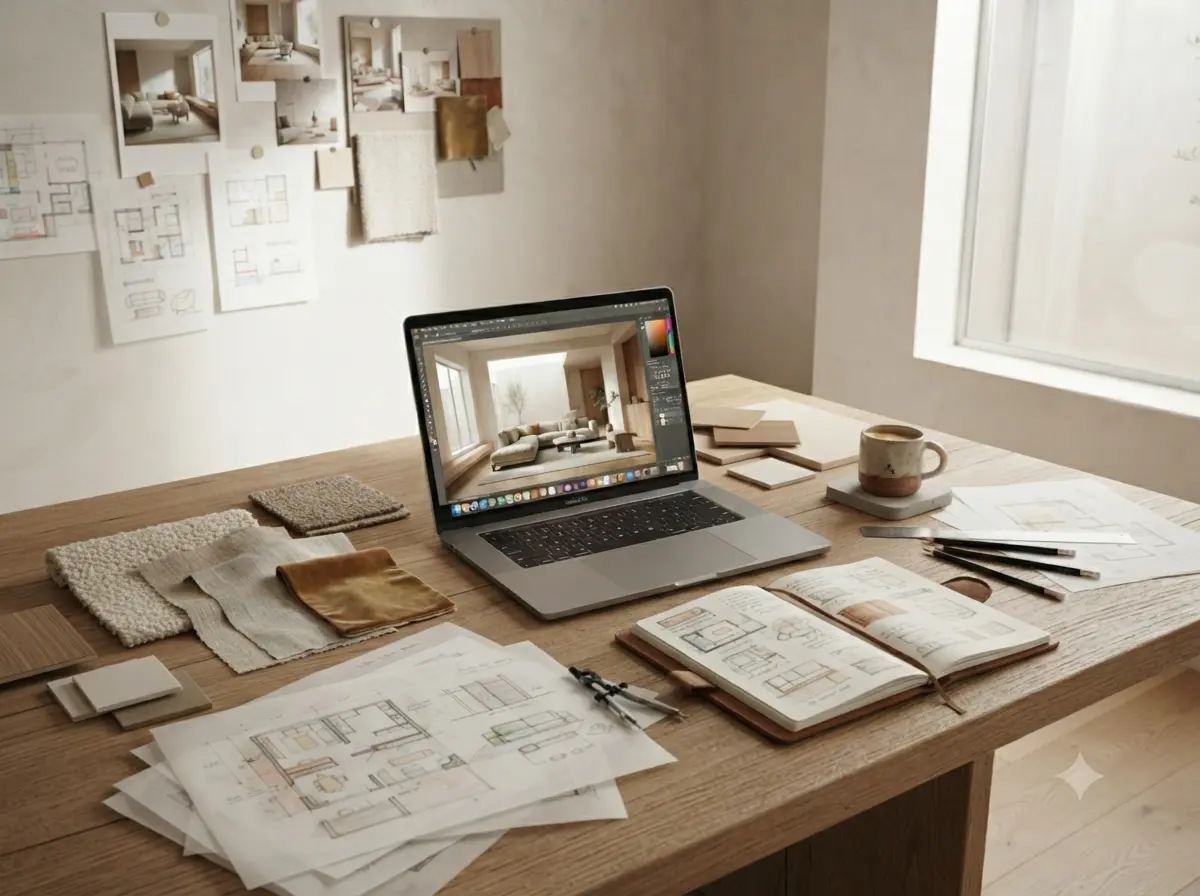
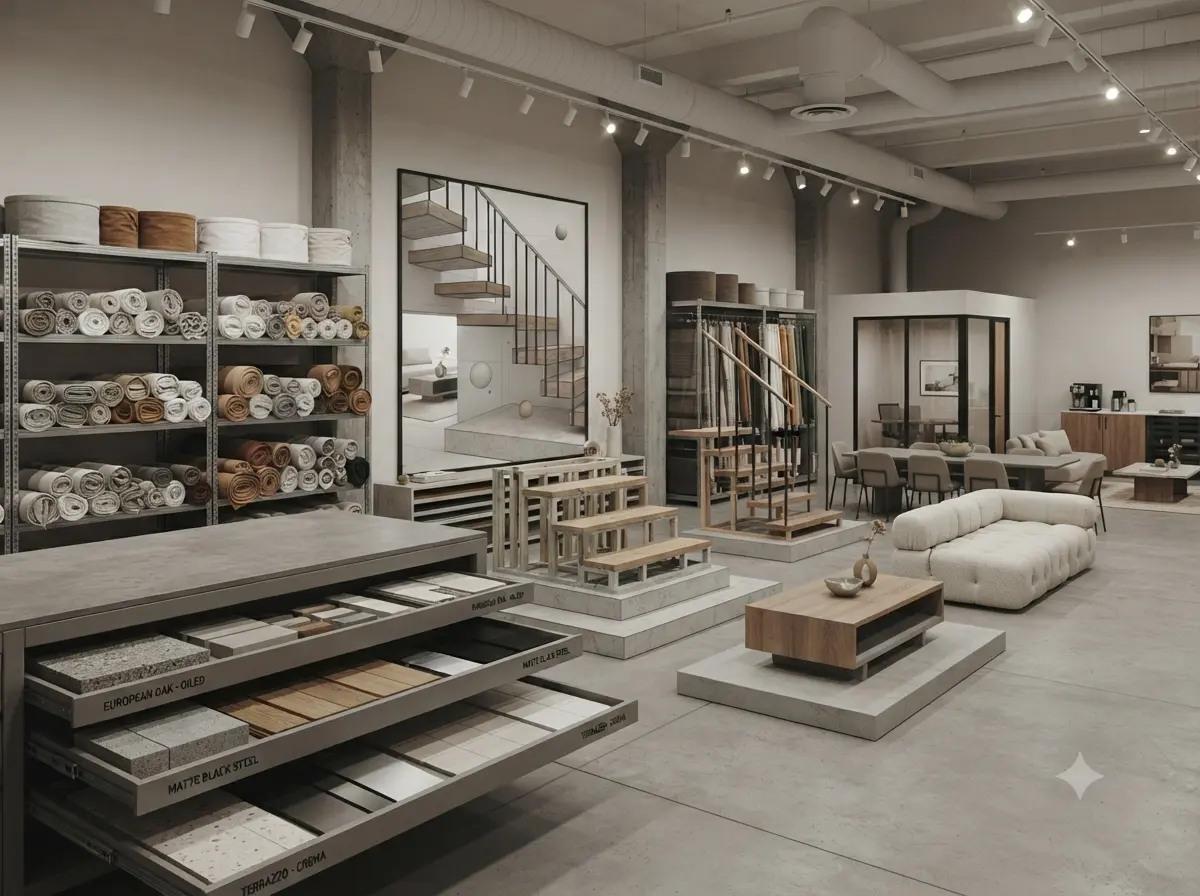
It's tempting to think good design means adding more — more texture, more color, more statement pieces. In our experience, the opposite is usually true. Some of our most successful projects came from knowing exactly what to leave out.
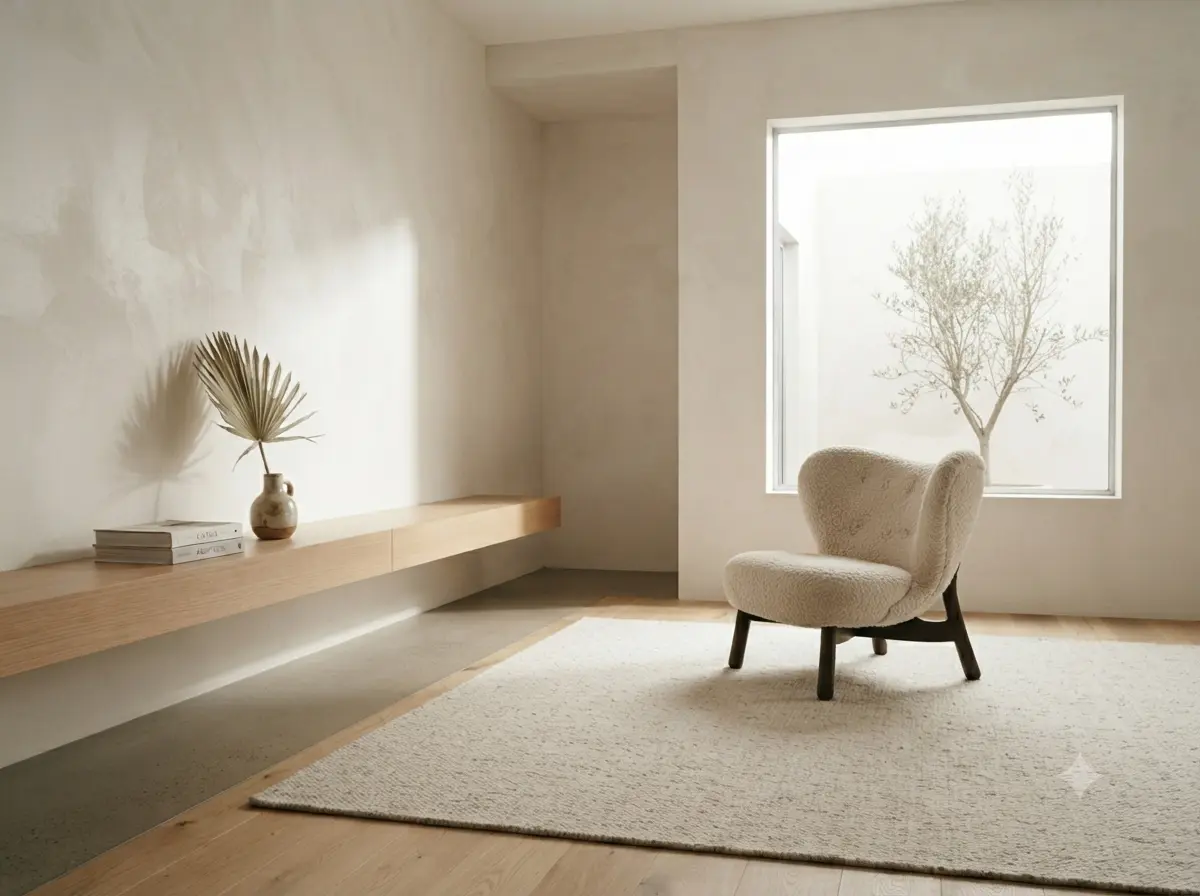
Restraint isn't the absence of design decisions — it's often the hardest one to make. Every empty corner, every plain wall left unstyled, is a deliberate choice made to let the room breathe and the few chosen pieces truly stand out.
We often start a project with more elements on the table than will ever make the final cut. Editing down — removing a pattern here, simplifying a color story there — is where a good room becomes a great one.
"A room full of beautiful things can still feel cluttered. A room with three perfect things never does."
— Olivia Bennett
This doesn't mean minimalism for its own sake. It means every material, every accessory, has to earn its place. If it doesn't serve the function or the feeling of the room, it doesn't belong in it.

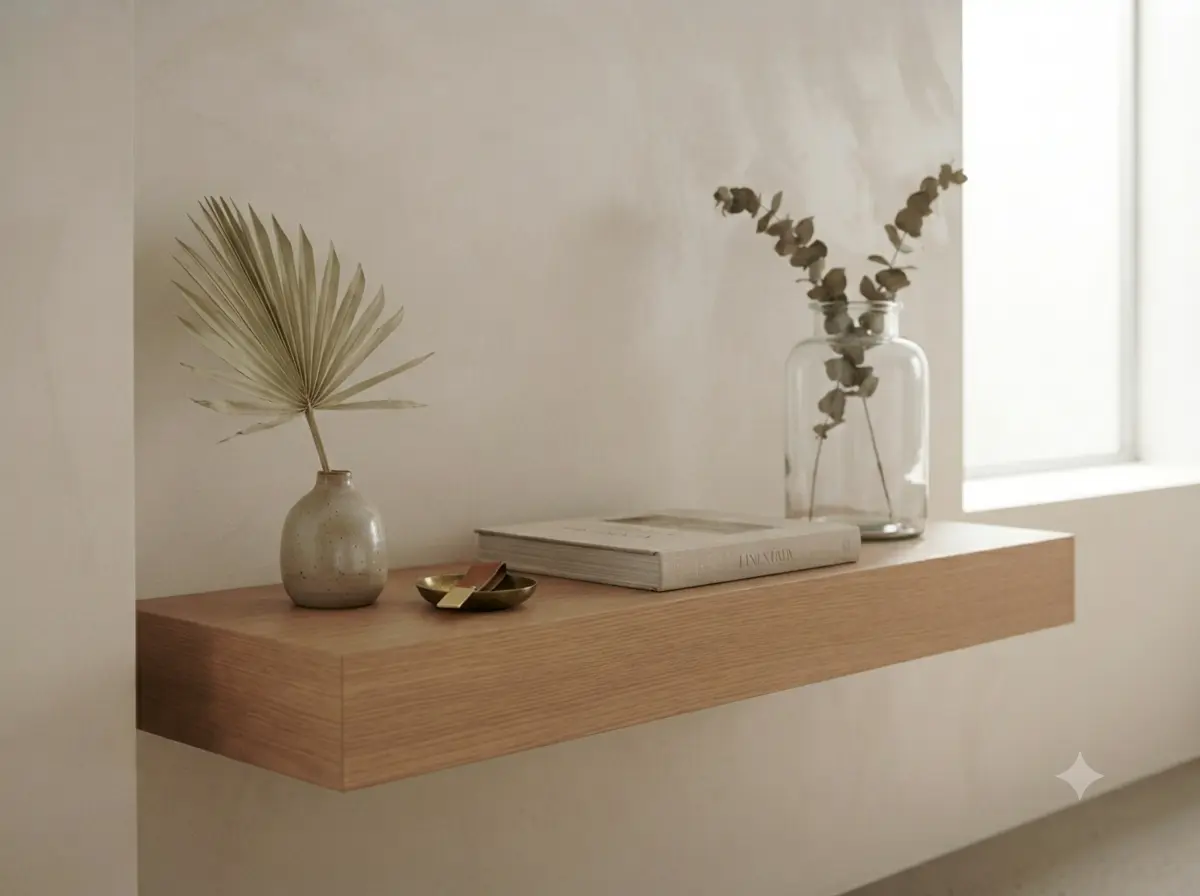
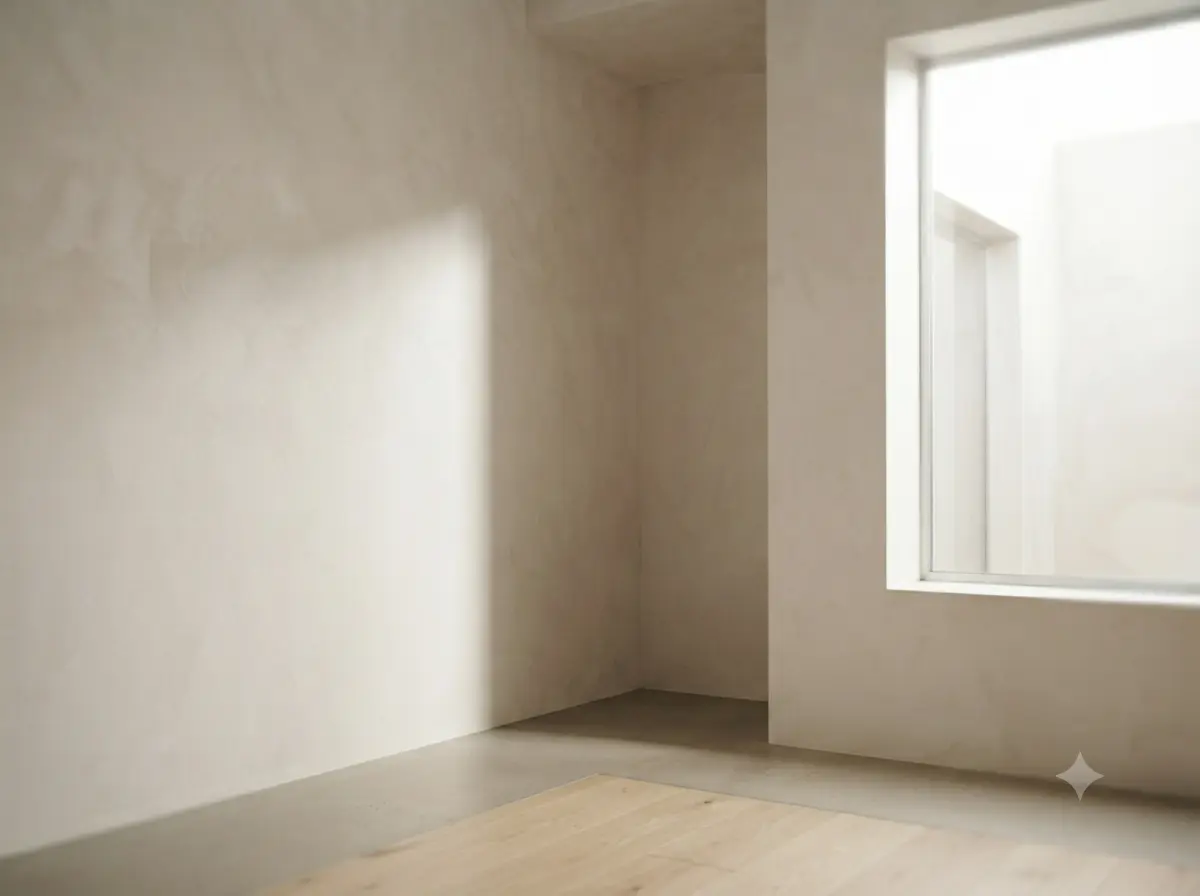
Clients are often surprised by how much emptier their "finished" home looks compared to their original moodboard. And almost every time, they tell us it finally feels calm — which, in the end, was the whole point.